Viking Women Hair: The Timeless Styles of Norse Heroine
In the realm of Viking culture, characterized by its rich history and captivating mythology, one cannot overlook the remarkable presence of Viking women and their distinctive hairstyles. While much attention has been given to the fierce warriors and seafarers of the Viking Age, the hairstyles of Viking women deserve equal recognition for their elegance, symbolism, and cultural significance. In this article, we delve into the world of Viking women’s hair, exploring the styles, traditions, and inspirations that have shaped their iconic looks. Join us on this captivating journey to discover the secrets behind the Viking women’s hair.
Viking Women’s Hair Styles
The Intricate Braids: A Symbol of Strength and Beauty
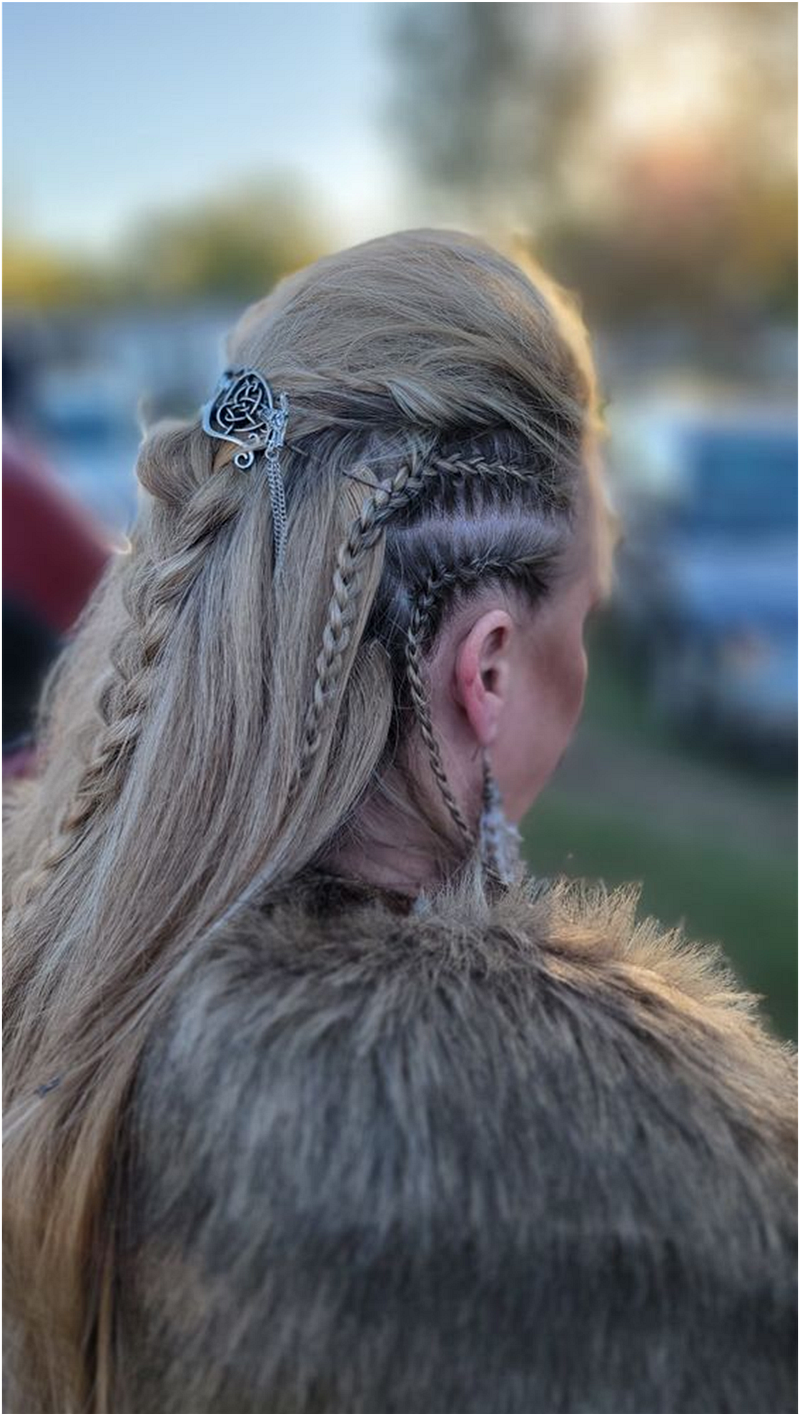
One cannot discuss Viking women’s hair without mentioning their intricate braids. Braiding was an art form deeply ingrained in Viking culture, and women adorned their hair with elaborate braided patterns that reflected their social status, marital status, and personal taste. The most common style among Viking women was the “Viking braid,” also known as the “shield maiden braid.” This style featured two long braids framing the face, signifying strength, protection, and a warrior spirit. Viking women often incorporated small metal beads, ribbons, or feathers into their braids to enhance their aesthetic appeal and showcase their creativity.
The Noble Knots: Elegance and Sophistication
While braids dominated Viking women’s hairstyles, noble knots were another popular choice for special occasions. These intricate updos involved carefully twisting and securing the hair into ornate knots at the back of the head. Noble knots were worn by Viking women of high social standing and were adorned with precious jewels and decorative hairpins, exemplifying elegance and sophistication. The knots symbolized the woman’s status and her role as a leader or a noble figure within the community.
The Free-Flowing Tresses: Natural Beauty Unveiled
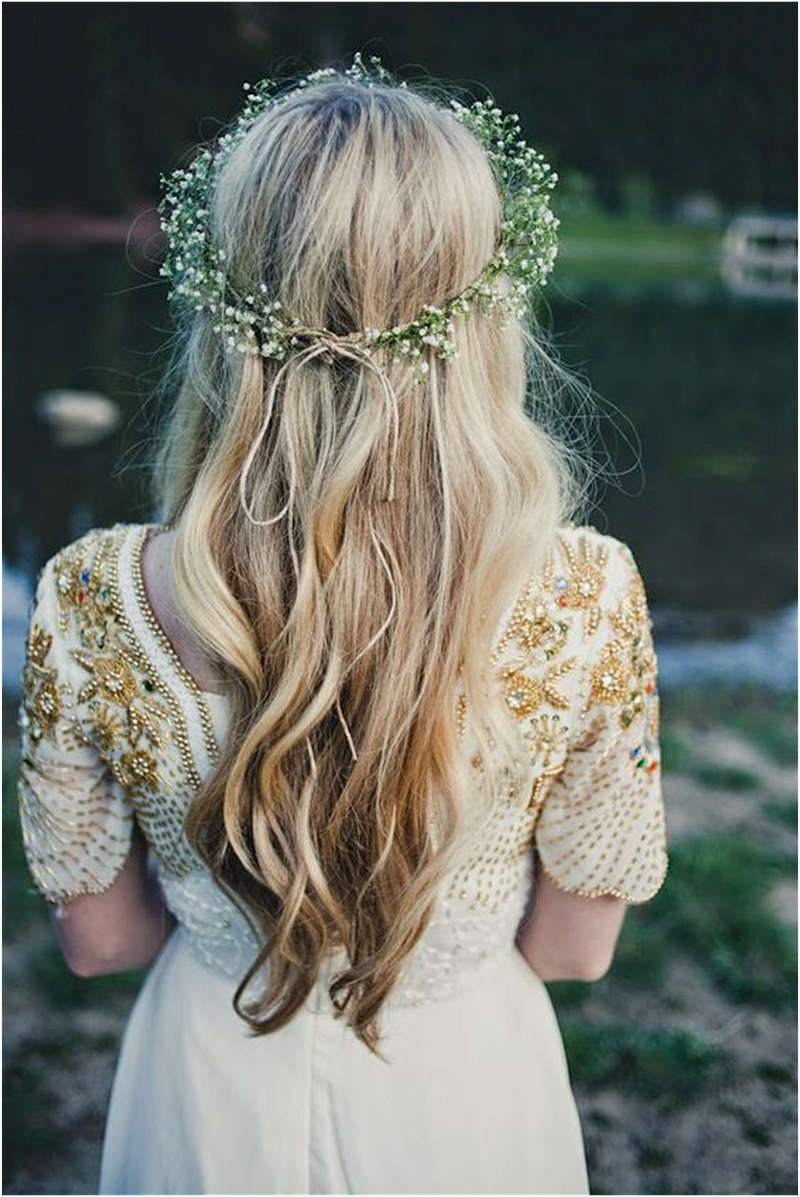
Not all Viking women confined their hair to braids and knots. Some preferred to let their tresses flow freely, embracing their natural beauty. Long, loose hair was often associated with femininity and sensuality, and Viking women who chose this style were admired for their untamed spirit. These women adorned their hair with floral wreaths or ribbons, accentuating the ethereal allure of their flowing locks. The free-flowing tresses also represented a connection to nature and the divine, reflecting the Viking women’s deep reverence for the natural world.
The Cultural Significance of Viking Women’s Hair
The hairstyles of Viking women held profound cultural significance, transcending mere fashion statements. They were intricate reflections of societal roles, spiritual beliefs, and personal identity. Viking women’s hair served as a medium of communication, expressing their status, marital availability, and even their devotion to the gods. Understanding the cultural symbolism behind these hairstyles is essential to fully grasp the profound legacy of Viking women in Norse society.
Status and Social Hierarchy
Viking women’s hairstyles provided subtle cues about their social standing. High-ranking women often showcased more intricate and elaborate hairstyles, adorned with precious accessories. These hairstyles were a visual representation of their noble status and commanded respect within the community. On the other hand, common women opted for simpler styles that reflected their practicality and resourcefulness. By examining the intricacy and grandeur of a Viking woman’s hairstyle, one could deduce her position in the social hierarchy.
Marital Status and Allure
The hairstyles of Viking women also conveyed their marital status and allure. Unmarried women often wore their hair loose or in simple braids, while married women adorned their hair with more elaborate styles, such as the noble knots or complex braided patterns. The hairstyles served as a signal to potential suitors, indicating their availability or commitment to a marital union. The allure of a Viking woman’s hair was a powerful magnet, captivating the hearts of admirers and leaving a lasting impression on the community.
Spiritual and Mythological Connections
Viking women deeply revered their gods and goddesses, and their hairstyles often reflected this spiritual connection. Braids, in particular, held a symbolic significance in Norse mythology. The number of braids, their patterns, and the inclusion of specific accessories conveyed devotion to particular deities. For instance, braids with beads dedicated to the goddess Freyja, the goddess of love and fertility, represented a woman’s desire for a fruitful and harmonious marriage. The hairstyles served as a visual link between the Viking women and the divine forces that guided their lives.
Viking Women’s Hair: Styles and History
Viking women were known for their long, flowing hair. They took great pride in their hair and wore it in a variety of styles. Some of the most common Viking women’s hair styles included:
· The Kransen: This was a simple style that involved braiding the hair into a single braid and then wrapping it around the head in a circle. The Kransen was often decorated with ribbons or flowers.
· The Arden Braid: This style involved braiding the hair into three strands and then twisting the braids together. The Arden Braid was often worn in a high ponytail or bun.
· The Elling Braid: This style involved braiding the hair into three strands and then wrapping the braids around the head in a spiral pattern. The Elling Braid was often worn by married women.
· The Irish Ribbon Knot: This style involved braiding the hair into a single braid and then tying it off with a ribbon. The ribbon was then knotted into a decorative pattern.
· Ponytails: Viking women also wore ponytails, often decorated with ribbons or beads.
· Buns: Viking women also wore buns, often secured with hair sticks or pins.
In addition to these common styles, Viking women also wore their hair in a variety of other ways. For example, they might wear their hair loose, or they might braid it into two or more braids. They might also wear their hair under a hood or scarf.
The way that Viking women wore their hair was not just a matter of fashion. It also had practical implications. For example, braiding the hair helped to keep it out of the way during work or travel. And wearing a hood or scarf protected the hair from the elements.
The hairstyles of Viking women also reflected their social status. For example, married women were more likely to wear their hair in buns or braids, while unmarried women were more likely to wear their hair loose.
The hairstyles of Viking women have continued to inspire fashion trends in modern times. For example, the Kransen hairstyle has been seen on runways and in magazines in recent years. And the Arden Braid is a popular choice for brides and bridesmaids.
The hairstyles of Viking women are a reminder of their strength, beauty, and creativity. They are a part of their cultural heritage that continues to be celebrated today.
Here are some additional facts about Viking women’s hair:
· Viking women often used animal fat or butter to condition their hair.
· They also used herbs and flowers to dye their hair.
· Some Viking women even shaved their heads, especially if they were going to be working in a dirty or dangerous environment.
· Viking women’s hair was often seen as a sign of their wealth and status.
· Long, healthy hair was considered to be very attractive.
· Viking women often wore their hair in elaborate hairstyles, which they decorated with ribbons, beads, and other ornaments.
The hairstyles of Viking women are a fascinating glimpse into their culture and history. They are
a reminder of the beauty, strength, and creativity of these early Scandinavian women.\
Conclusion
In the vast tapestry of Viking history, the hairstyles of Viking women weave an intricate and captivating pattern. From the fierce warrior braids that exude strength and resilience to the elegant noble knots that emanate sophistication and nobility, these hairstyles reflect the diverse facets of Viking women’s lives. They embody their status, marital availability, and spiritual connections, making them an essential part of Norse culture and mythology. By understanding the cultural significance behind Viking women’s hair, we gain a deeper appreciation for the profound legacy of these remarkable heroines.
For more Hair related information visit our Website:- https://www.revivv.co/ thanks.


Comments
Post a Comment